Eye Surgery
Korean Double Eyelid Surgery: Incisional or Non-Incisional?
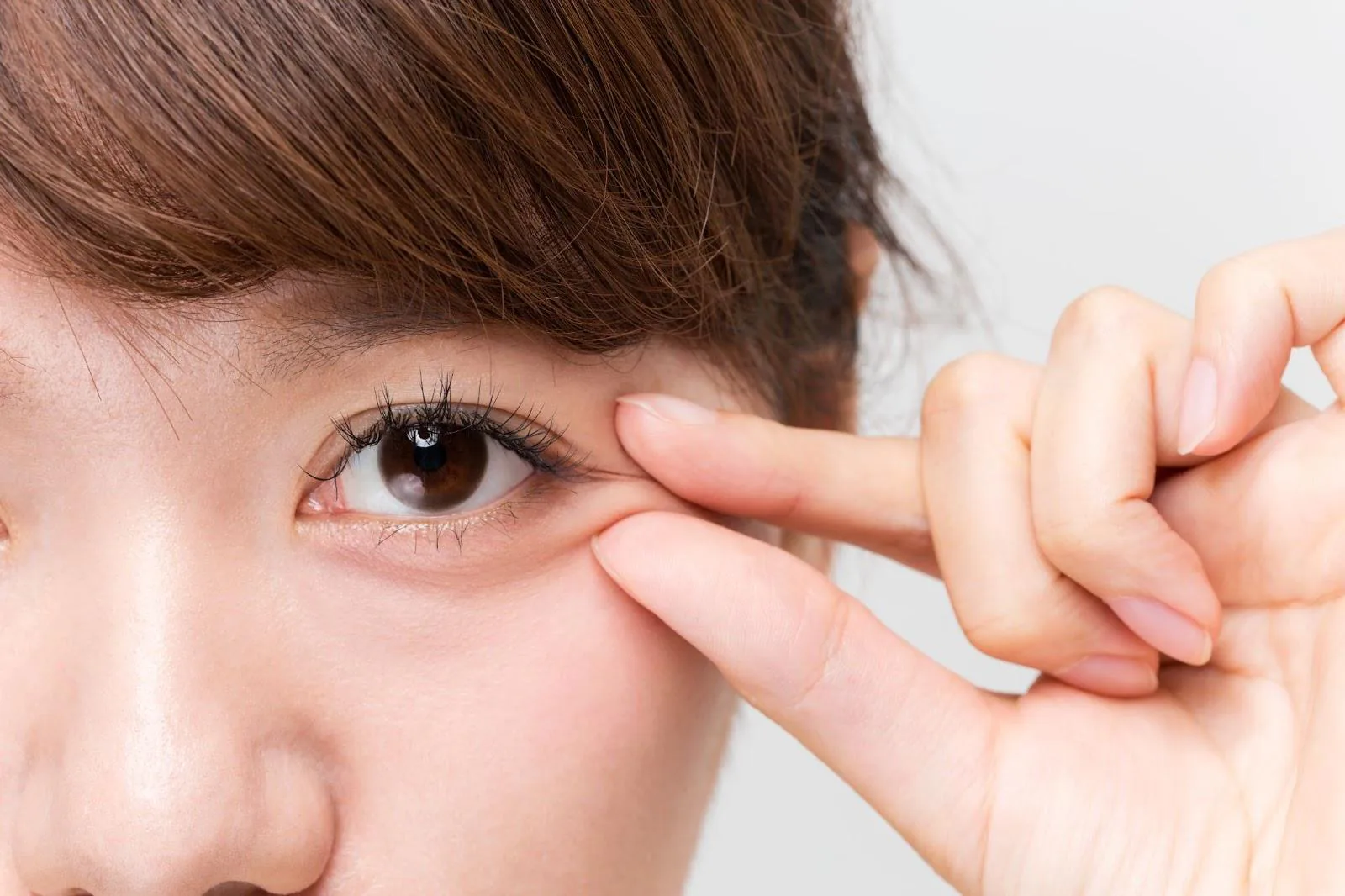
If you are researching Korean double eyelid surgery, you have probably met two terms already: incisional and non-incisional. The harder questions are which one your eyelids actually need, and how many days you must stay in Seoul before flying home. We answer those questions in the consultation room every week, and this guide gives you the same explanation in writing.
Double eyelid surgery creates a crease in the upper eyelid. At Banobagi we choose the method only after looking at skin thickness, fat, the muscle that lifts the eyelid and where your brow rests. That choice then sets your operation time, your stitch removal day and the length of your trip.
In this guide you will learn:
- How the incisional and non-incisional methods differ in operation time, anaesthesia, stitches and recovery
- Which eyelid types usually suit each method
- When ptosis correction or canthoplasty is added to the plan
- What recovery looks like day by day, how long to stay in Seoul, and when revision is considered
What is Korean double eyelid surgery?
Korean double eyelid surgery creates or strengthens a crease in the upper eyelid. It is one of the most common cosmetic operations in South Korea. A defined crease can make the eyes look more open, and people with hooded eyelids may find eye makeup easier to apply, because hooded lids tend to smudge liner and shadow.
It is not the same as a standard blepharoplasty. Blepharoplasty for ageing eyelids mainly removes excess skin or fat for a more rested look. Double eyelid surgery focuses on the crease itself: its height, its shape and how firmly it holds.
Korean eyelid surgery techniques were developed around Asian eyelid anatomy, including thicker skin, the way fat sits around the eye and the epicanthal fold at the inner corner. Our eye surgery team works from three principles:
- Function first. Every eye procedure begins with how the eyelid opens and closes.
- Your natural identity. The result should reveal your own features, not conceal them.
- A refreshed look. The aim is that people notice you look rested, not that you had surgery.
If you want to read more about crease design, our article on creating a natural-looking double eyelid covers it in detail.
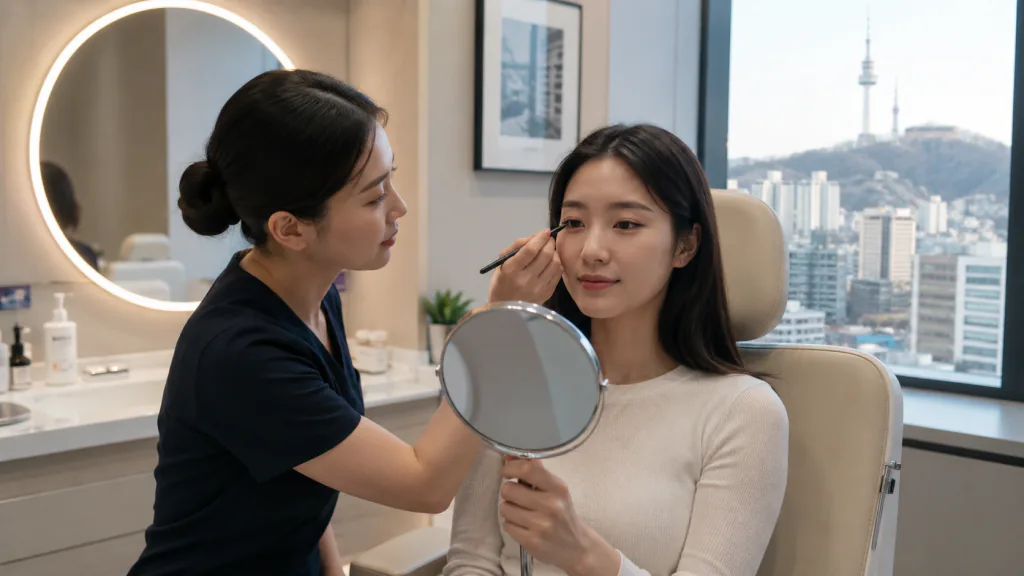
Incisional vs non-incisional double eyelid surgery: how do they compare?
Both methods aim for a natural-looking fold. They differ in how the fold is fixed and how much tissue can be adjusted.
Non-incisional double eyelid surgery makes 5-7 micro holes along the designed line. Unnecessary tissue and fat are removed, and the eyelid is fixed through the holes with a double knot method. The knots sit on the muscle rather than the skin, which lowers the chance of the fold loosening over time.
Incisional double eyelid surgery opens the eyelid along the designed line. Excess skin, fat and muscle are partially removed depending on your skin condition. The eyelid skin and muscle are then firmly tied together and the incision is closed with fine stitches.
| Item | Non-incisional | Incisional |
|---|---|---|
| Operation time | About 30 minutes | About 30 minutes to 1 hour |
| Anaesthesia | Local anaesthesia | Local anaesthesia or sedation |
| Stitch removal | After about 3-5 days, if necessary | After 5-7 days |
| Hospital stay | Discharged the same day | Discharged the same day |
| Follow-up visits | 1 visit for stitch removal | 1 visit for stitch removal |
| Back to daily activities | In about 3 days | In 5-7 days |
These figures describe the usual course. Your own recovery depends on your skin and healing, and results vary between individuals.
Durability differs too. Incisional methods generally offer longer-lasting results. With non-incisional surgery the sutures can loosen over time in some cases, and a touch-up may be needed later. Ageing, brow descent and large weight changes can soften any crease over the years.
Which method suits your eyelids?
The method follows the eyelid, not the other way round. In some cases the non-incisional method is not suitable because the upper eyelid has thick skin and fat tissue. That is why we confirm the method in person, even when photos look clear.
Non-incisional usually suits you if
- You want to avoid an incision if possible
- Your eyelid skin is thin and not droopy
- You want natural-looking double eyelids
- You are on a tight schedule and want a quicker recovery
- Visible scarring is a concern for you
Incisional usually suits you if
- You want a clear, well-defined double eyelid
- Your eyelid skin is thick and droopy
- You have excess fat and muscle on your eyelids
- Your eyelids are sunken and a fold does not form easily
- You were unhappy with a previous surgery and want a more secure, longer-lasting fold
General candidacy points apply to both. Double eyelid surgery is considered when you have monolids and want a defined crease, or when your existing crease is faint or asymmetrical. You should be at least 18 years old and in good health.
For a longer comparison of the two approaches, see our article on advanced double eyelid techniques.
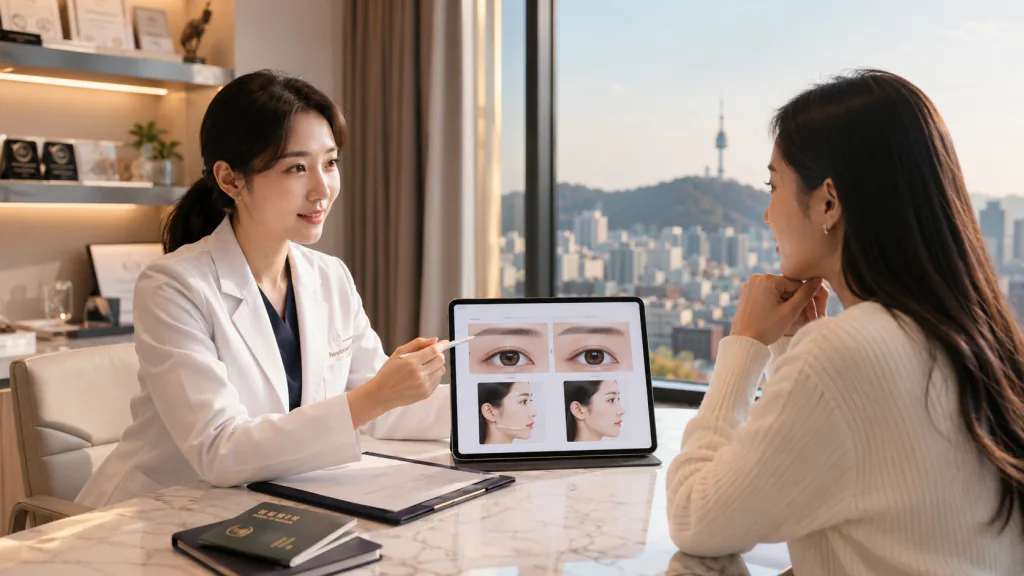
There are cases where we say no. If your eyelid skin is thick, droopy or fatty, we do not recommend the non-incisional method even when that is what you came in asking for, because that tissue is what the incisional method is planned for. Adjusting the plan while we look at your photos is easier than treating a crease that has loosened.
When are ptosis correction or canthoplasty combined?
A crease alone does not change how strongly the eyelid opens or where the eye corners sit. When the examination finds a separate problem, a second procedure can be planned in the same session.
Ptosis correction is for eyelids that droop because the lifting muscle is weak. If this is missed, the eyes can still look sleepy after a crease is created. Common signs are upper eyelids partly covering the pupils, raising your eyebrows to see clearly, and looking tired despite good rest. Our eye surgery page lists double eyelids with ptosis correction as the most popular combination, because it addresses the crease and muscle function together.
Canthoplasty changes the eye corners rather than the crease. It is considered when a fold covers the inner corner, when the outer corner is upturned, or when you want a wider, more open eye shape alongside double eyelid surgery.
| Procedure | What it changes | Operation time | Stitch removal | Daily activities |
|---|---|---|---|---|
| Non-incisional ptosis correction | Shortens and ties the lifting muscle through 5-7 micro holes | About 1 hour | After about 3-5 days | In 3-5 days |
| Incisional ptosis correction | Tightens the lifting muscle through an incision along the eyelid line | About 40 minutes to 1 hour | After about 5-7 days | In 5-7 days |
| Canthoplasty | Opens the inner corner, lengthens the outer corner or lowers the lower outer corner | About 30 minutes | After about 7 days | In 3-5 days |
Non-incisional ptosis correction uses local anaesthesia and sedation. It suits mild ptosis with thin eyelid skin and little fat. Incisional ptosis correction covers a wider range of drooping.
Canthoplasty is performed under sedation and comes in three types:
- Epicanthoplasty opens the inner corner covered by the epicanthal fold.
- Lateral canthoplasty lengthens or repositions the outer corner.
- Lateral Hotz lowers the lower outer corner to increase vertical openness.
Our article on lengthening the gaze with canthoplasty explains the corner procedures further.
Recovery after Korean double eyelid surgery: how long should you stay in Seoul?
Plan to stay in Seoul for at least 7-8 days after eye surgery. That allows time for post-operative check-ups, stitch removal and initial recovery before you fly. Your surgeon gives you the actual dates after the consultation.
What recovery usually looks like
| When | What usually happens | What to do |
|---|---|---|
| Days 1-3 | Swelling and bruising peak within 48-72 hours | Cold compresses, prescribed medication and rest; avoid heavy lifting and long screen time |
| Days 7-8 | Stitches removed and healing checked; swelling noticeably reduced | Light daily activities; travel home once cleared |
| Weeks 2-4 | Bruising fades and incision lines become less visible | Light exercise after 2 weeks; avoid swimming, saunas and direct sun |
| Months 3-6 | Remaining swelling resolves and the crease settles | Send photos to your coordinator at month 3 |
After non-incisional surgery, stitches, if needed, come out earlier, after about 3-5 days.
After incisional surgery, a firm, sausage-like roll above the crease is typical through the first 1-2 weeks, and the fold looks higher than planned. Many people feel comfortable being seen in public by 2-4 weeks. Height usually settles nearer the plan by about 1-3 months, with softer definition continuing through roughly 3-6 months. Healing speed differs from person to person.
Avoid alcohol and smoking for a month after surgery. Alcohol may cause inflammation, and smoking contracts blood vessels and delays recovery.
A typical trip, day by day
- Day 1: arrival, in-person consultation, examination and final plan. Bring any previous operation records.
- Day 2: surgery, then rest at your accommodation. You are discharged the same day after double eyelid surgery.
- Days 3-6: swelling checks. Most patients stay indoors for this stretch.
- Day 7: stitch removal for procedures that need it.
- After that: flight home once your surgeon clears you. Do not book a return flight before the plan is confirmed.
Surgery in Seoul vs at home
| Item | Banobagi, Seoul | Clinic at home |
|---|---|---|
| Before you book | Online consultation from photos; final plan confirmed in person on arrival | Varies by clinic |
| Who operates | The consulting surgeon, recorded under the real-name system | Varies by clinic |
| Anaesthesia | Full-time anaesthesiologists employed by the clinic | Varies by clinic |
| Time away | At least 7-8 days in Seoul | Varies by clinic |
| After you fly | Coordinator check-ins with photos at month 1 and month 3 | Varies by clinic |
Under Korean law, only clinics registered with the Ministry of Health and Welfare may treat international patients, and the register is publicly searchable. It is worth checking before you book. If you notice fever, spreading redness, discharge, sudden pain or a change in vision after you return home, contact the clinic immediately and seek local care the same day.
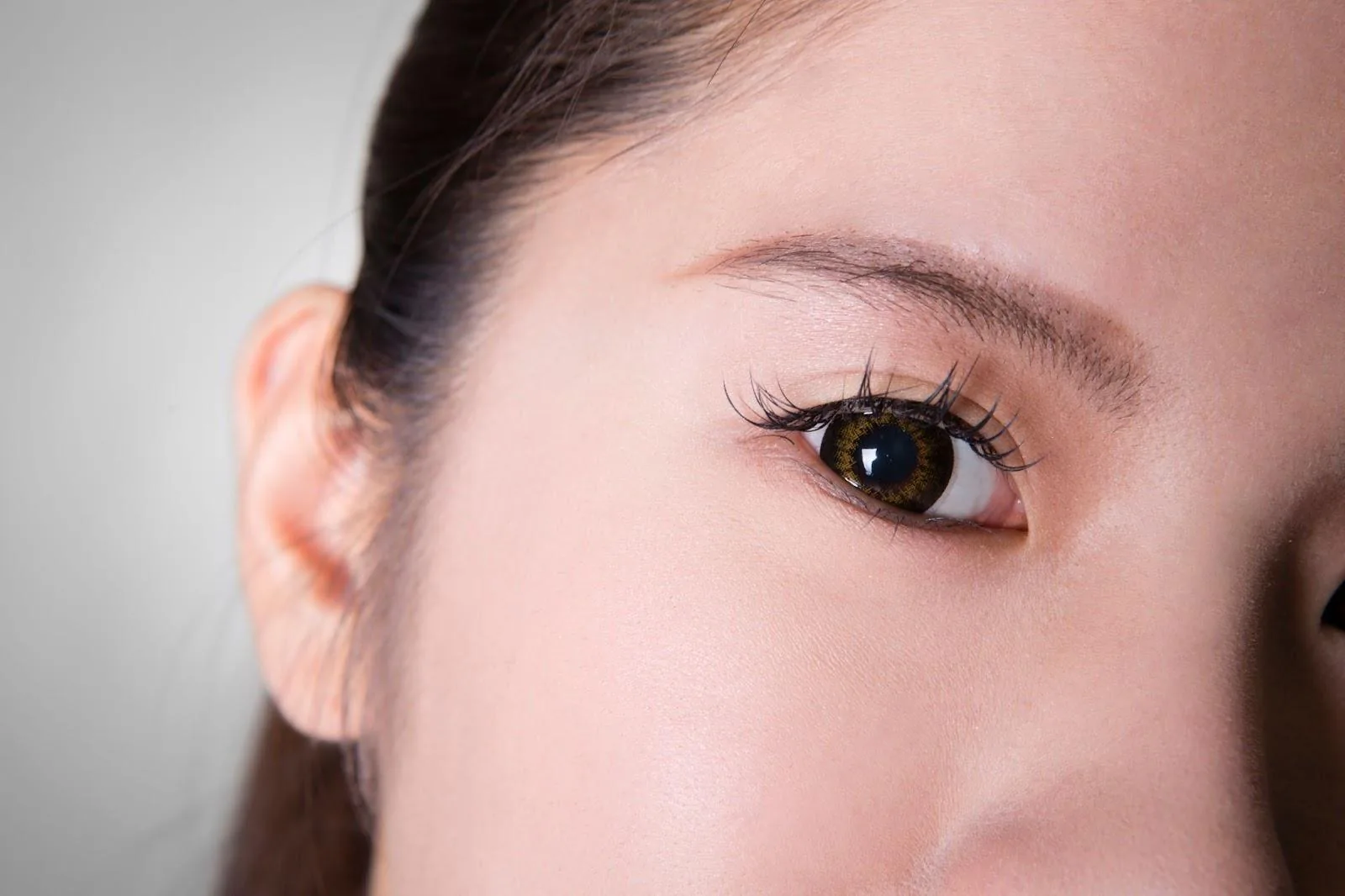
Eyelid revision: what if the crease is uneven or loosens?
Eyelid revision surgery corrects a crease that sits too high or too low, has loosened or is uneven. It also addresses scarring and difficulty closing the eye after earlier surgery. We examine what was done previously before making a new plan.
- Wait for healing. Most appearance concerns are judged after the scar has matured, often around six months after surgery. After several previous operations, waiting closer to a year can give a clearer surgical area.
- Some problems cannot wait. Earlier treatment may be needed if the eye cannot close, the eye surface is exposed or a stitch is causing injury.
- Expect a different approach. Revision often needs an incisional approach, even when the first surgery was non-incisional.
- Expect longer swelling. Scar tissue from previous surgery can make swelling last longer than after a first operation.
Revision takes about 1 hour under local anaesthesia and sedation. Stitches come out after about 5-7 days, and daily activities can resume in about 3-5 days. The realistic goal is clear improvement rather than identical eyelids, because previous scars, muscle strength and brow position limit what can change. Results vary between individuals.
Our article on revising upper eyelid surgery safely walks through the common revision cases.
Summary
- Non-incisional: about 30 minutes under local anaesthesia, daily activities in about 3 days; suits thin eyelid skin that is not droopy.
- Incisional: about 30 minutes to 1 hour under local anaesthesia or sedation, stitches out after 5-7 days; suits thick, droopy or fatty eyelids.
- Combinations: ptosis correction is added when the lifting muscle is weak, and canthoplasty when the corners, not the crease, need changing.
- Stay: plan at least 7-8 days in Seoul, and book the return flight only after your surgeon confirms the plan.
- Revision: usually assessed around six months after the original surgery.
Send us one front photo and one side photo with your eyes open on WhatsApp, and tell us what you would like to change. We will suggest which method to discuss and how many days to plan. Anatomy and healing differ between individuals, so the final plan is confirmed when we examine you in Seoul.
Frequently asked questions
How much does double eyelid surgery cost in Korea?
Banobagi does not publish fixed prices. The quote depends on the method, whether ptosis correction or canthoplasty is added, and what the examination shows. Send front and side photos and we give you a quote after reviewing them.
Is it a good idea to go to Korea for double eyelid surgery?
It can work well if you can stay in Seoul for at least 7-8 days after surgery and plan follow-up from home. Before booking, check that the clinic is registered with the Ministry of Health and Welfare for international patients, who operates, and who handles contact after you fly.
Will I be awake during double eyelid surgery?
The non-incisional method uses local anaesthesia, and the incisional method uses local anaesthesia or sedation. The surgeon may ask you to open and close your eyes to check the line during the operation, so you stay relaxed but do not feel pain in the treated area.
When can I wear eye makeup and contact lenses again?
After incisional surgery, eye makeup usually waits until the incision is sealed and stitches are out, often about 1-2 weeks, and then goes on gently. Contact lenses commonly follow around 2-3 weeks, so bring glasses for the trip.
How should I prepare before flying to Seoul?
Stop aspirin, ibuprofen, fish oil, vitamin E and herbal supplements 1-2 weeks before surgery, and avoid alcohol and smoking for at least 1-2 weeks. Remove gel nails and nail polish, and fast for 6 to 8 hours before the operation. Your coordinator sends a personalised checklist.
Can I combine double eyelid surgery with rhinoplasty?
Yes, double eyelid surgery can be combined with other facial procedures such as rhinoplasty, which allows a single recovery period. The combined plan changes your stay length, so ask for the specific schedule during the consultation.
Do the results of double eyelid surgery last?
Incisional methods generally give longer-lasting results. With non-incisional methods the sutures can loosen over time in some cases, and a touch-up may be needed. Ageing, brow position and weight change can soften any crease over the years, and results vary between individuals.
Sources
- Banobagi: Non-Incisional Double Eyelid Surgery
- Banobagi: Incisional Double Eyelid Surgery
- Banobagi: Non-Incisional Ptosis Correction
- Banobagi: Incisional Ptosis Correction
- Banobagi: Canthoplasty
- Banobagi: Eyelid Revision Surgery
- Banobagi: Non Incisional vs Incisional Double Eyelid Surgery
- Banobagi: Revision Eyelid Surgery: Fixing Botched Results
- Medical Korea (KHIDI): hospitals registered for international patients
Results and recovery differ from person to person. This article is general information, not a diagnosis — your surgeon confirms what suits you at consultation.
Keep reading
 Breast Augmentation Korea: Implant, Fat Transfer and RecoveryBreast augmentation Korea explained by a Banobagi surgeon: implant layers, fat transfer breast augmentation, recovery and stay. Send two photos on WhatsApp.
 Liposuction Korea: Which Areas, and How Long You StayLiposuction Korea, explained: how each area is treated, what recovery looks like week by week, and how long to stay in Seoul. Send two photos on WhatsApp.
 How to Check a Medical Tourism Clinic Licence in KoreaHow to check a medical tourism clinic licence in Korea, verify a board-certified plastic surgeon, and what to ask. Send two photos on WhatsApp.